
Living Beyond Cancer Package
- Regular price
-
£510.00 - Regular price
-
- Sale price
-
£510.00
Life After Cancer Treatment: Rebuilding Strength, Reducing Risk
Finishing treatment is rarely the ending people expect it to be.
The scans are clear, or the surgery is behind you, or the final round of chemo is done — and yet your body doesn't feel like yours. Fatigue lingers. Strength feels diminished. The clinical appointments thin out, the support network steps back, and you're left with a quiet but persistent question: what now?
This is the phase where exercise rehabilitation does some of its most important work — not just in helping you feel like yourself again, but in measurably reducing your risk of recurrence and supporting long-term health outcomes.
The evidence on exercise after cancer treatment
The research base for post-treatment exercise has grown dramatically over the past decade. We now have strong evidence — across multiple cancer types — that structured, progressive exercise after treatment can:
- Reduce risk of cancer recurrence, with the strongest data in breast, colorectal, and prostate cancers (some studies show recurrence risk reductions of 30 to 40 percent in patients meeting recommended activity levels)
- Reduce all-cause mortality and cancer-specific mortality
- Address cancer-related fatigue, which can persist for months or years after treatment ends
- Restore cardiovascular fitness, often significantly reduced by chemotherapy and radiotherapy
- Preserve bone density, particularly important after hormone therapy or chemotherapy-induced menopause
- Rebuild lean muscle mass lost during treatment (sarcopenia is a common and under-recognised consequence of cancer treatment)
- Improve sleep, mood, and psychological recovery
- Reduce the risk of secondary conditions including cardiovascular disease, type 2 diabetes, and osteoporosis
The clinical consensus, set out in the American College of Sports Medicine's 2019 Roundtable on Exercise and Cancer and the Macmillan Move More guidance, is unambiguous: structured exercise after treatment is one of the most effective interventions available for long-term survivorship.
The reality of recovery
That said, the post-treatment phase has its own particular challenges. Your body has been through something significant. Fatigue patterns are different. Strength has been lost, often considerably. Lymphoedema, peripheral neuropathy, joint pain, hormone therapy side effects, and changes to body composition all need to be worked around rather than ignored.
This programme is built for that reality. The work is progressive, but it starts where you actually are — not where you were before diagnosis, and not where a generic fitness programme would assume you should be.
How the programme works
Your programme is built around four core areas, calibrated to your specific treatment history and current capacity:
- Aerobic conditioning to rebuild cardiovascular fitness, with particular attention to people who've had cardiotoxic treatments (certain chemotherapies, left-sided chest radiotherapy)
- Progressive resistance training to rebuild lean muscle and bone density — this is now considered essential rather than optional in post-treatment recovery
- Functional movement and mobility work to address the specific limitations left by your surgery or treatment
- Habit building to create sustainable activity patterns that hold up beyond the programme itself
What's included:
- 6 or 10 one-hour sessions with your coach over an agreed timeframe
- A tailored weekly home programme designed to build consistency and momentum
- Adherence tracking to help form habits that last
- Mid-point review to assess progress and adjust programme structure
- Ongoing email support throughout your programme
Working with your medical team
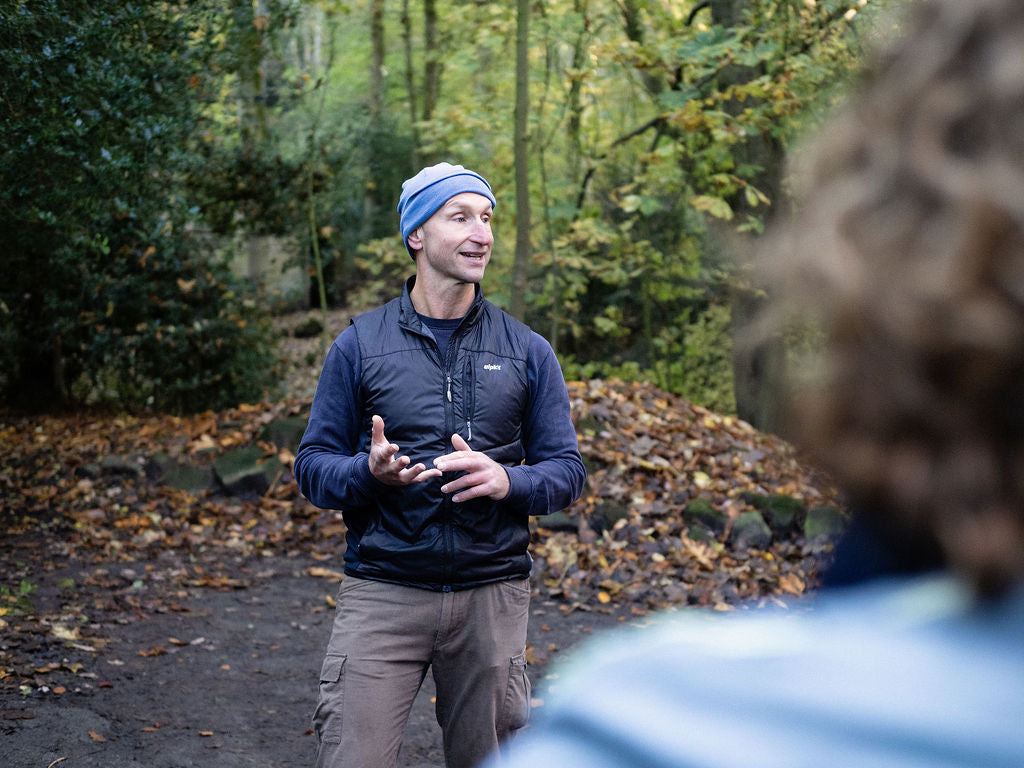
Your coach is a Level 4 Cancer Rehabilitation Specialist with over 20 years of clinical experience — the highest UK qualification for working with people affected by cancer. Programmes are delivered in line with current exercise oncology guidelines and adapted around your specific diagnosis, treatment history, and clinical context. Medical clearance from your consultant or GP is required before starting.
Sessions can be delivered in person or remotely.
Getting started
Whether you finished treatment last week or last year, this programme is designed to meet you where you are and move you forward. Get in touch to arrange an initial assessment.
Couldn't load pickup availability

Testimonials
Gareth“Nick has helped me change my life. .. He is a life coach, a confidante, a fitness instructor, a motivator - go see him and find out for yourself.”
Sally“Nick is quite simply the best trainer I have ever worked with... training outside engages the senses in a way that a gym never can, you will never want to train inside again."
Peter"I have been seeing Nick for several months and he is an excellent personal trainer. He aways tailors every session to my requirements and makes training fun and engaging. Highly recommended."